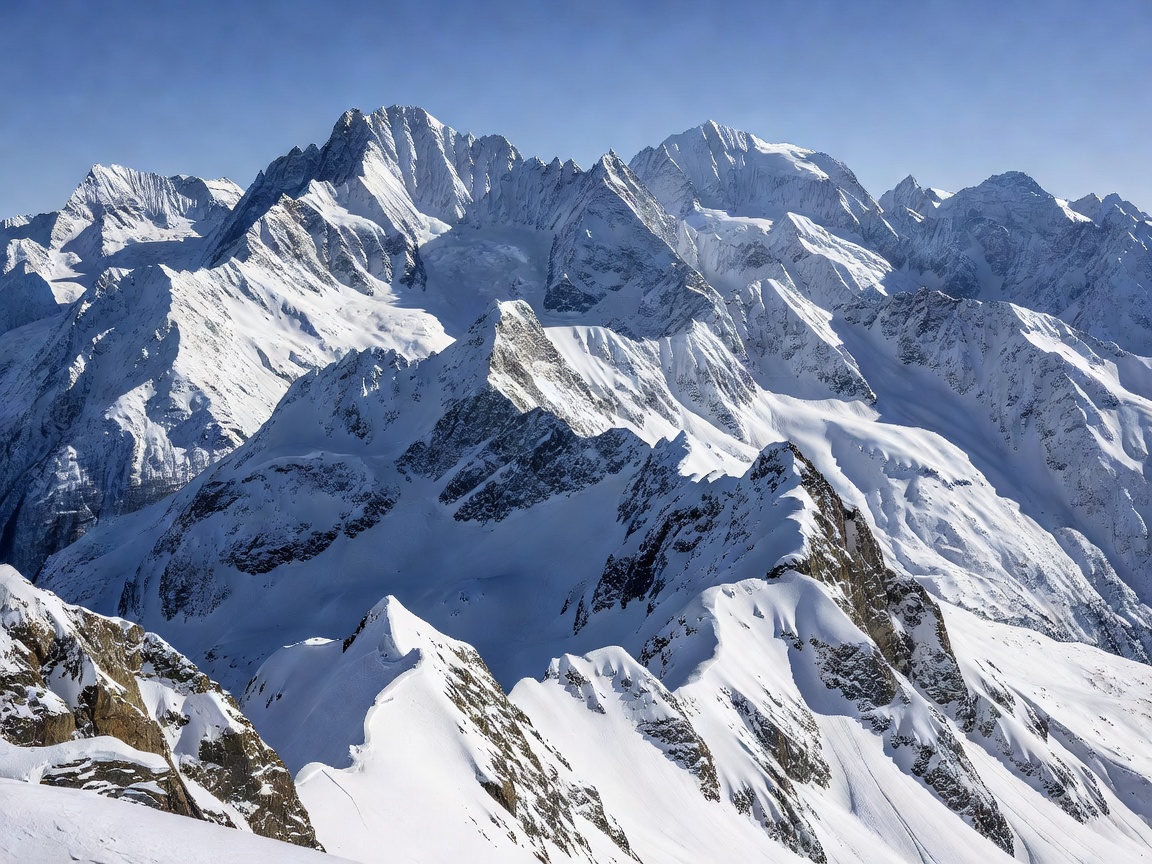
1. The Verticality of the Chamonix Valley
Few places on earth present as dramatic an elevation gradient as the Chamonix valley. Within just a few horizontal kilometers, the valley floor at 1,035 meters rises precipitously to the dome of Mont Blanc at 4,809 meters. This vertical sheer creates microclimates ranging from temperate pine forests to perpetual sub-polar ice fields.
The Compagnie des Guides de Chamonix, founded in 1821, remains the world's oldest mountaineering guild. Today, traveling through this high terrain requires understanding both modern alpine safety and the slow traditions of mountain refuge culture.
“In the high mountains, distance is no longer measured in horizontal kilometers, but in the slow vertical meters gained by foot or cog-wheel.”
— Marcelle Vian, Mountain Guide & Cartographer2. Mountain Rail: The Montenvers Train & Tramway du Mont-Blanc
Pioneering French civil engineers overcame these forbidding slopes through rack-and-pinion engineering:
- Chemin de Fer du Montenvers: Opened in 1908, red vintage trains climb out of Chamonix along granite ledges to 1,913 meters, terminating at the Grand Hôtel du Montenvers above the Mer de Glace.
- Tramway du Mont-Blanc (TMB): France’s highest mountain railway, climbing from Saint-Gervais-les-Bains up to the Nid d'Aigle (2,372 m), the traditional starting point for the Royal Route to the summit.
3. Alpage Traditions & Beaufort Cheese
High mountain agriculture centers on the alpage—the summer practice of grazing Tarine and Abondance cattle on alpine pastures carpeted with clover, wild gentian, and alpine fescue. The milk is transformed in copper vats into Beaufort d'Alpage, an unpasteurized hard cheese matured for up to two years in stone cellars.